
Antalya holds up a mirror to our own economies
It is easy to just point at petrostates like Saudi Arabia, who came to the conference with hundreds of delegates to water down negotiated texts and push for false solutions like carbon capture and storage (CCS), prolonging unacceptable fossil fuel expansion. But the uncomfortable truth is that countries in the EU also struggle to translate their international ambitions into adequate fossil fuel phase-out plans. Despite co-hosting the first dedicated conference on the transition away from fossil fuels, the Netherlands’ phase-out roadmap explicitly supports the expansion fossil fuels. It is much easier to agree on what we want to build or electrify than what we need to leave behind.

Aside from the climate risk, this inaction is also unfair: those least responsible end up paying the highest price. Wealthy states bear a responsibility to transition first and fastest. They have promised to provide finance, support, and a greater share of the carbon budget to climate-vulnerable countries that face more challenging transitions. Yet the double whammy that became clear at this COP: climate finance pledges have dropped by a staggering 70%. And much of the money that remains comes as loans. That saddles countries in Global South with more debt, for a crisis they did not cause.
The art of stopping starts with rethinking the future
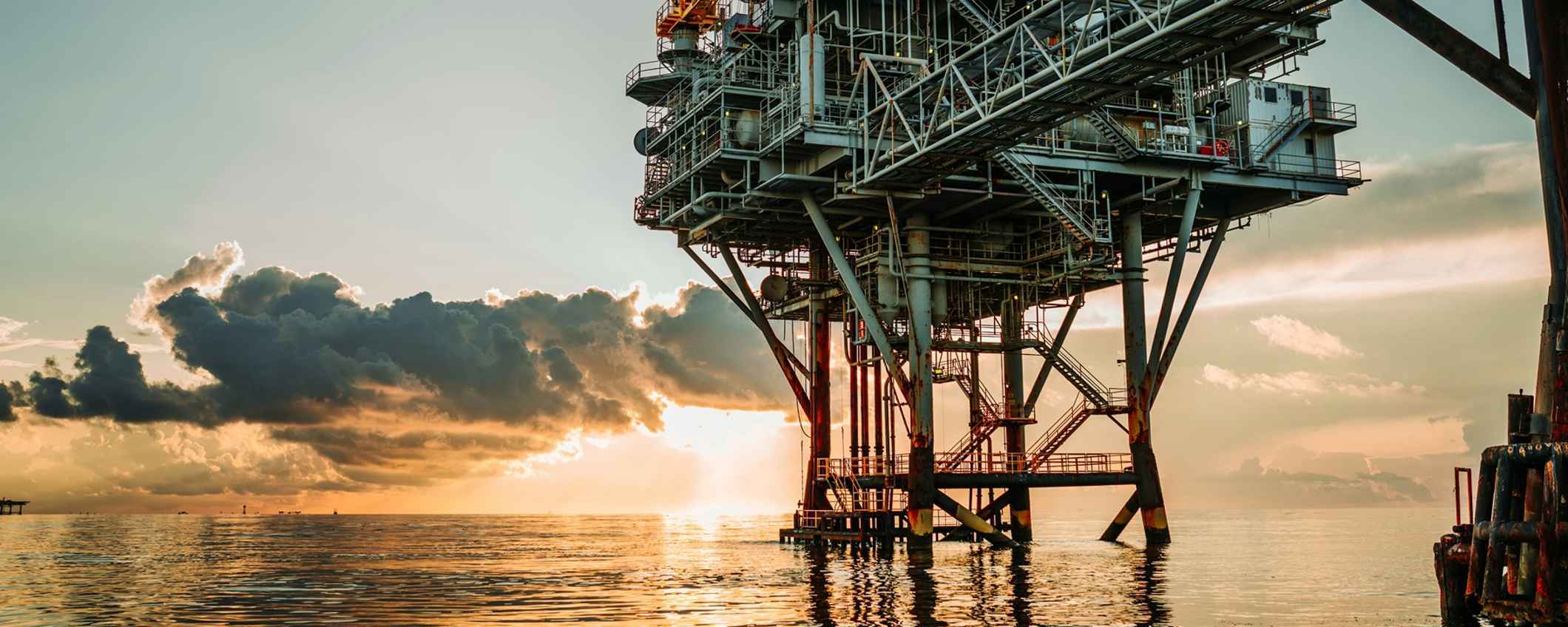
Wealthy countries are banking on investments from ‘private finance’ to fill the gap, but so far this has also failed to deliver. This is not for lack of money. Oil and gas companies are seeing record profits on the back of wars, supported by government subsidies. The money is there, but flowing in the wrong direction. New fossil fuel investments create financial and political interests in continued fossil fuel use: loans need to be repaid, investments recovered, and contracts fulfilled. The direct costs of stopping are visible, but the societal costs of continuing remain hidden. The financial decisions we make today create vested interests in continued fossil fuel use. We cannot keep financing fossil fuel expansion today and expect an orderly phase-out tomorrow. The art of stopping starts with rethinking where we direct capital, before today's investments become tomorrow's obstacles.
Towards an international fossil finance agenda
It is high time to move money out of fossil fuels and into a just transition. Ending fossil fuel subsidies, reforming unfair global financial rules and making polluters pay for the mess they cause can free up trillions. Enough to meet needs at home, deliver the money owed to climate-vulnerable countries, and ensure a just transition for workers in the fossil industry. The good news on steering the financial flows of the private sector is that this financing is concentrated in just a few places. According to Banking on Climate Chaos, just six financial jurisdictions accounted for 87% of the fossil fuel financing covered by its analysis in 2026. Let’s start stopping there.

A small, coordinated group of countries could start by restricting or banning the financing of new fossil fuel projects, requiring banks to report transparently on what fossil project they finance and facilitate, and making them publish credible plans to phase out fossil fuels. Rules are needed both against funding fossil expansion and for funding a responsible exit, such as closing a coal plant.
Banks can make a big impact beyond their balance sheet
Banks have two currencies of power: capital and influence. They do not just operate within the economic rules of the game; they also have power to shape those rules. Financial institutions have a history of lobbying to weaken sustainable finance regulation, taking positions that are misaligned with their own stated recognition of climate risks. Many of the banks with this kind of history were present at COP31. It’s time to turn this around. Banks should use their influence to support solutions that protect the planet, create a level playing field, and in the long run, also to safeguard their own balance sheets.
As the circulatory system of our economy, banks can contribute practical expertise to policymakers, identify barriers and help develop the economic conditions for a fair and orderly phase-out. This is also what we put in practice: we finance change and change finance.
From Antalya to Amsterdam: join us next week
After three decades of negotiating how to cut emissions, it is also time to negotiate the economic and financial rules that will enable us to phase out fossil fuels. The responsibility of finance is not only to invest in a different future, but also to help create the political and economic conditions that make that future possible.
We invite you to continue the conversation (in Dutch) with us on Monday 30 November at 20:00 at Pakhuis de Zwijger in Amsterdam. Together with researchers, politicians and campaigners, we will explore what it takes to leave the fossil era behind and how finance can help. Entry is free, reserve your seat here.