
This year many governments introduced measures that effectively subsidised fossil fuels to shield households from price rises after the Iran conflict disrupted supplies through the Strait of Hormuz. This increased support is a good example of how governments continue to uphold incentives that are harmful to biodiversity, despite countries’ 2022 commitment to lower harmful subsidies.

That commitment is part of the Global Biodiversity Framework (GBF), the global agreement to protect nature. In Target 18, governments agreed to reduce harmful subsidies by at least USD 500 billion a year by 2030. Countries have made little progress on this target according to the official global review. For example, only 27% of countries have national targets that address the reduction of harmful incentives, and just 5% have set quantitative targets.
Governments’ responses to the Strait of Hormuz shows why progress has been slow: most harmful subsidies were designed to support industries, food security or consumers, which makes them politically popular even if their environmental and social costs are clear.
Subsidy reform makes it easier to reach many other GBF targets, since it could reduce harmful practices and increase support for beneficial ones. From nature restoration, climate change mitigation, and pollution reduction; it feeds many birds with one scone. Reform can also mobilise private finance. Redirecting subsidies towards sustainable alternatives can help influence which business models are bankable and provide more positive incentives for financial institutions, thereby reversing the infamous 30-to-1 ratio of harmful to restorative finance for nature.
Consultation and coalition building must not become a reason to wait
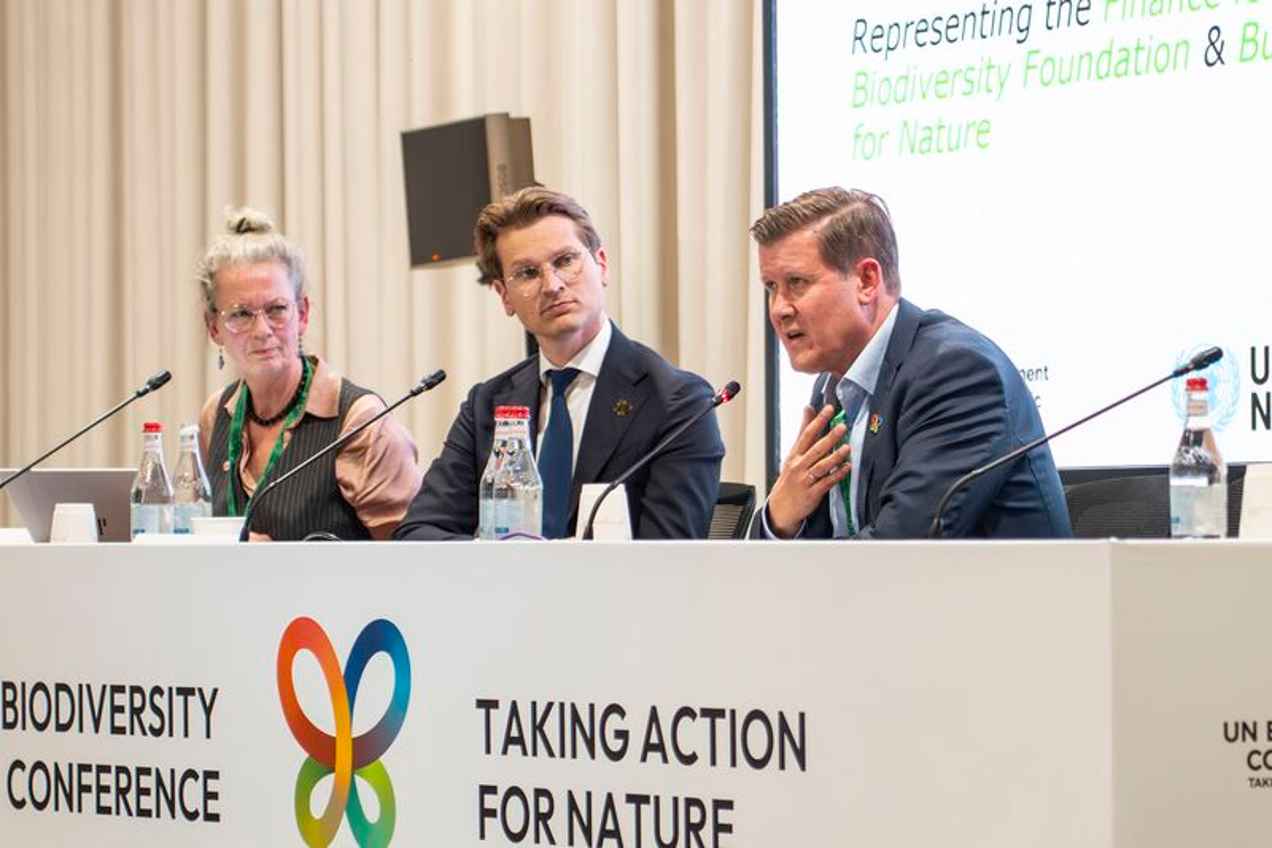
As a sustainability researcher at Triodos Bank, I attended COP17, where announcements on Target 18 included a political push from Armenia’s COP Presidency, opportunities for countries to learn from each other, and funding to help governments develop plans to reform harmful incentives.
After tough negotiations, the Yerevan Pathway, the official action plan towards 2030, also includes the following statement on subsidy reform: “Also encourages Parties, in accordance with national circumstances, priorities and capabilities, to accelerate the implementation of Target 18 of the Framework”. This text does not really convey the urgency subsidy reform needs, but at least a dedicated section of text survived, which I see as a win. Turning this win into action at the national level means that we need to work on three take-home assignments from Yerevan.
Take-home assignment 1: identify harmful subsidies
Before incentive structures can be reformed, they need to be evaluated. More than 80% of countries missed a 2025 deadline to do this, but others set the right example. For example, the Netherlands assessed 102 incentives like subsidies, tax exemptions and other financial instruments for their effects on biodiversity. Support for nature management and restoration benefited biodiversity, while major agricultural subsidies had mixed or negative effects. Fossil fuel and transport incentives were also generally found to harm biodiversity.
Evaluations are not always straightforward, as subsidies can have mixed effects or have social trade-offs. Even subsidies designed to support environmental goals can have unintended consequences. For example, subsidies for biomass energy may help replace fossil fuels, while simultaneously putting pressure on forests and biodiversity. Still, at COP17, I heard how countries including the UK and Fiji are conducting similar evaluations, with UNDP supporting dozens of assessments. I see these as useful examples for other governments to build on.
Take-home assignment 2: turn support into reform
At an event with the Dutch minister at COP17, I looked over my shoulder and saw a Dutch community: NGO representatives, academics, businesses, ecologists and civil servants, all discussing how to deliver Target 18. It struck me that this community could build support for reform and continue the work at home. I also wondered how we could involve more of the companies and producers, including farmers, that depend on today’s subsidies.
Businesses have reasons to engage beyond protecting the subsidies they already receive. Many of them also depend on the nature that harmful subsidies undermine, from clean water to fertile soils. ECB research found that 72% of euro area companies are highly dependent on at least one ecosystem service, accounting for three quarters of corporate bank lending. Businesses and financial institutions should assess both their dependence on subsidies and their exposure to nature loss and share those findings to help develop reform proposals.
Still, consultation and coalition building must not become a reason to wait. More than 130 businesses and financial institutions have asked governments to start reform processes within twelve months. I believe we should turn our support into concrete reform proposals within the same deadline.
Take-home assignment 3: play the long game of international cooperation
COPs are often criticised for their consensus-based process and slow progress. Still, I hope COP17 helped to build the relationships needed to sustain progress, not the least because some of the largest harmful subsidies literally require countries to work together.
For example, changing the tax exemptions for aviation fuel, the largest negative incentive in the Dutch review, involves making alterations to international and bilateral agreements. Likewise, reform of the EU Common Agricultural Policy, the largest item in a Spanish NGO assessment of harmful subsidies, is currently being negotiated at the EU level. Ideally, reform would gradually shift funding away from income support based on how much land a farmer has towards payments for maintaining landscapes, improving water quality and restoring healthy soils, without decreasing income support for farmers overall.
The targets of the Global Biodiversity Framework are supposed to be met by 2030. That leaves only a few national budget cycles. Governments will have to use those cycles to turn subsidy evaluations into reform proposals, while businesses, financial institutions and civil society need to help develop those proposals and build support for them. The work cannot wait for another summit.