
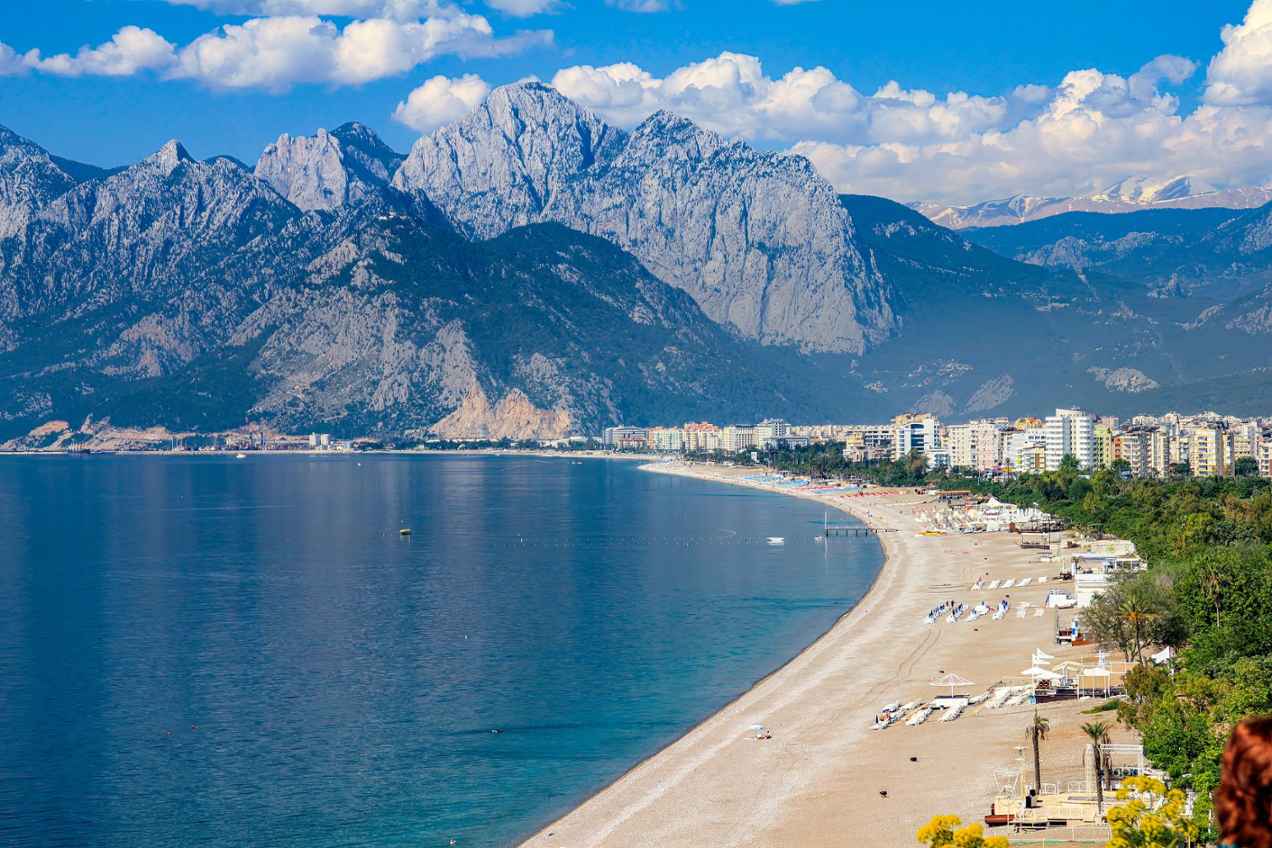
On November 9th, world leaders gather on the turquoise shores of Antalya for the 31st United Nations Climate Change Conference. This year has been a tough one for climate diplomacy and expectations are modest. Like last year, the focus will be on implementation rather than sweeping new global deals.
Momentum for fossil-phase out is growing outside the COP process
Last year’s summit in Belém, Brazil, pushed forward important issues such as climate finance and ensuring a “just transition”: helping communities adapt and not be left behind as the world shifts to clean energy. COP30 kept the question of aligning global finance with climate goals on the agenda. However, critical topics such as fossil fuel and deforestation phaseout roadmaps were pushed outside the formal UN process. Once again, the official agreement failed to mention fossil fuels.
Encouragingly, a “coalition of the willing” that met in Santa Marta in April is pushing the fossil fuel phase-out forward, beyond the confines of the COP process. The goal of this gathering was different: it did not aim to achieve consensus, but to discuss practical steps to move away from fossil fuels. Except this time, without actors that typically block progress at the table. Santa Marta’s Fossil Fuel Treaty Initiative featured the launch of a new independent scientific panel, with Dr Rockström and Dr Nobre at its helm, to provide more frequent updates than the IPCC’s arduous 7-year cycle. It also gave civil society a stronger voice in the official process. But the vast majority of nations, including co-host the Netherlands, have still not committed to a deadline for phasing out fossil fuels.
Antalya’s climate COP must turn momentum into wider action
This will be the first-ever COP to be co-hosted, with Turkey as the overall host and Australia presiding over negotiations. Both countries still depend heavily on fossil fuels – 83 and 90% of their energy mixes, respectively – which raises questions about how ambitious this COP might be. The emergence of coalitions outside the formal UN process has shown that there is appetite for faster action on phasing out fossil fuels. However, meeting the scale and urgency of the climate crisis will require these coalitions to build wider momentum, bringing an ever-growing number of governments and financial institutions behind the transition.
Public trust depends on a credible and inclusive COP
Without confidence in the process, real progress and public support are out of reach. Calls to limit fossil-fuel lobbying underscore the need for stronger safeguards in Antalya, including transparent funding and partnerships and strict conflict-of-interest rules. Equally important is the meaningful participation of civil society. Turkey’s suppression of protests around the NATO summit in July gives extra reason to raise alarm; it is crucial to guarantee safe engagement of human rights activists, land and environmental defenders, and communities at the front lines of the climate crisis. Lastly, the decisions made at this conference must be grounded in science, heeding scientists call for deep and urgent emissions cuts to limit overshoot of 1.5 degrees.
Electrification targets must not become a fossil fuel loophole
Without clear commitments to end investment in fossil fuels, the transition risks stalling. COP31’s headline 35by35 target (for electricity to supply 35% of global energy demand by 2035), could become a loophole if it fails to specify how that electricity is produced, allowing continued investment in fossil fuel-powered generation under the guise of progress. The world can no longer afford half-measures; only a clear break from investment in fossil fuel expansion will guarantee that climate ambitions translate into meaningful change.
Unlocking long-term finance for mitigation, nature, and adaptation
The growth in climate finance has slowed dramatically since its peak in 2021. At present, the available funding falls far short of what is needed to meet even the most modest mitigation targets before the 2030s. With development budgets under pressure and defence spending increasingly competing for public resources, there is a real risk that climate commitments could be sidelined. In Antalya, it is essential that we see credible, actionable plans to mobilise long-term finance for emissions reductions, nature restoration, and adaptation efforts.
Banks must stop financing fossil-fuel expansion
Over a decade after the Paris Agreement, the banking sector is still at an early stage in enabling the transition to a low carbon economy, with similar signs of stalling. Many banks have lowered their overall climate ambitions, with some even cancelling commitments, targets and policies outright. The world’s largest banks even increased their financing to companies expanding fossil fuel developments by 27% last year. This locks in decades of future carbon emissions, pollution, supply shocks and stranded asset risk.
At Triodos Bank we have always been an advocate for a fossil-free economy. Since our foundation in 1980, we’ve financed climate solutions and excluded the fossil industry from our loans and investments. Next to this we are an outspoken advocate on climate action and were the first bank to support the Fossil Fuel Treaty Initiative.
As COP31 approaches, it is clearer than ever that both governments and the financial sector must work in concert to accelerate the shift away from fossil fuels. We call on banks, businesses and nations alike to align their policies, investments, and ambitions with a fossil-free future. Only by acting together can we ensure that climate finance and policy become true engines of change at this critical juncture.