
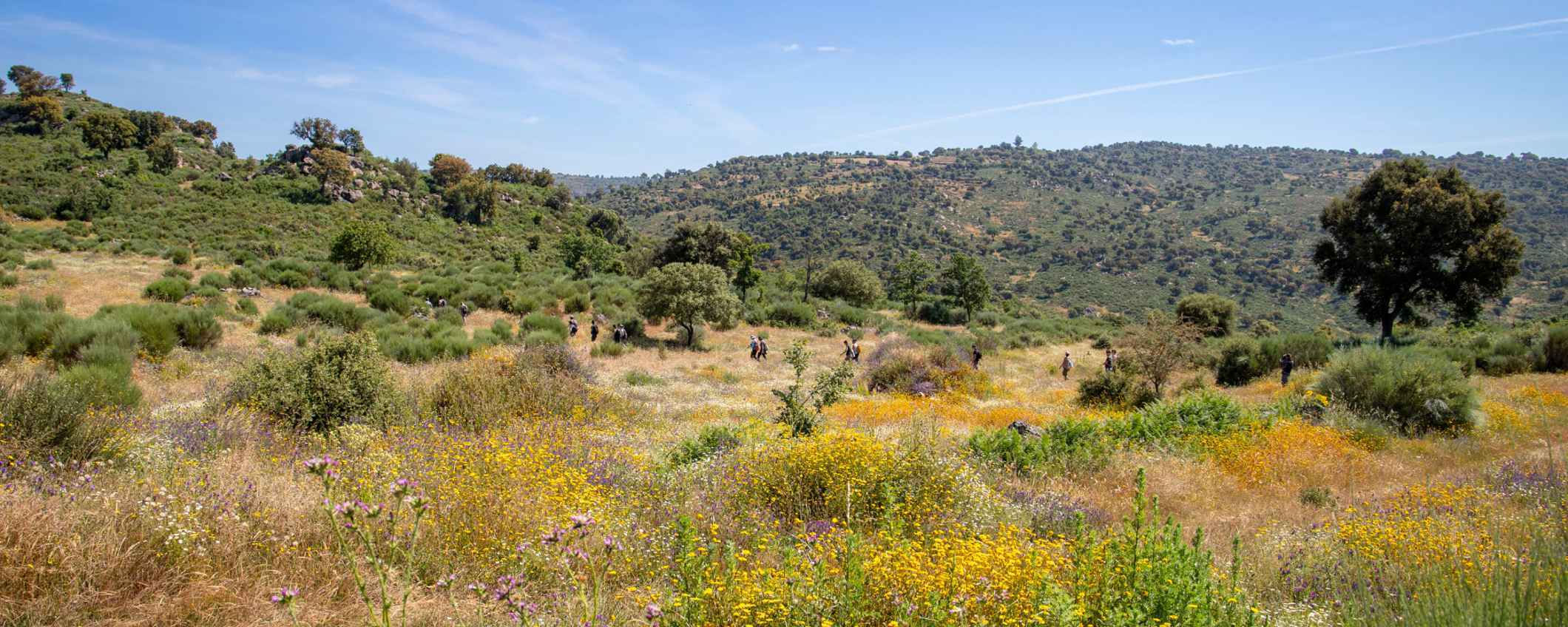
Wilderway turns large-scale rewilding into a credible investment opportunity. The organisation develops rigorous, science-based projects that allow companies and institutions to buy nature or carbon credits which fund wetland restoration, old-forest regeneration, natural grazing and other forms of ecosystem recovery.
Europe is moving in the same direction. In 2025, the European Commission presented its Roadmap towards Nature Credits, a plan to unlock private investment for biodiversity and restoration. It calls for robust standards and pilot projects so that capital can flow to farmers, foresters and communities that protect and restore ecosystems. Wilderway is a real-world example of this ambition. Its projects in Spain, Portugal, Scotland and Ireland show that rewilding can be financed through markets when integrity comes first.
A simple, ambitious model
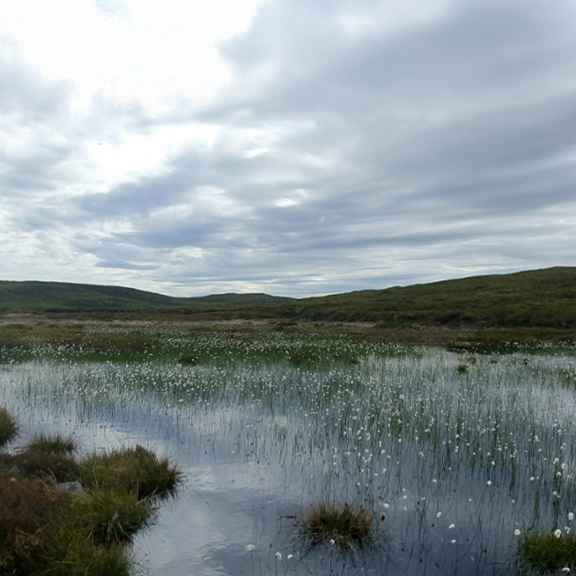
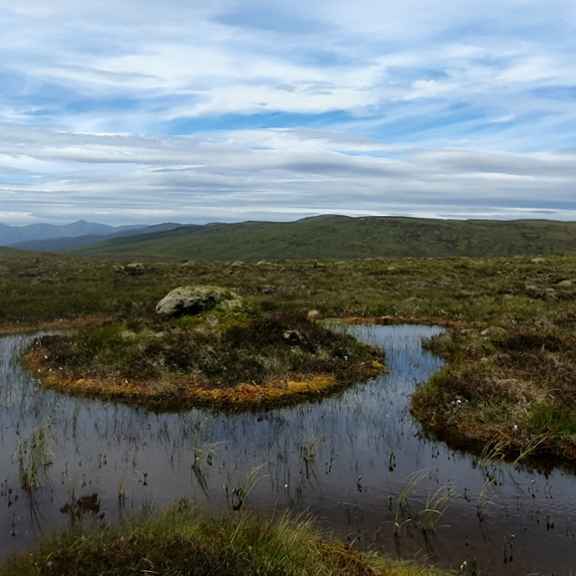
Wilderway’s approach is straightforward and practical. They partner with land stewards. Wilderway works with farmers, foresters, estates and municipalities who want to change how they manage their land. Together they design long-term rewilding plans that place biodiversity at the centre while safeguarding local interests. Wilderway restores nature first. Projects focus on restoring habitats so that species and natural processes recover: rewetting peatlands, allowing woodland to expand, creating wet corridors, or reintroducing natural grazing regimes.
Wilderway creates high-integrity nature outcomes. They translate ecological recovery into certified nature and carbon credits. These credits are independently validated and monitored, not as ends in themselves but as a way to finance long-term restoration. Wilderway shares the benefits locally. When credits are sold to committed buyers, revenue flows back to landowners and communities. This replaces or complements existing income streams, making stewardship a viable, long-term economic choice.
What are nature credits?
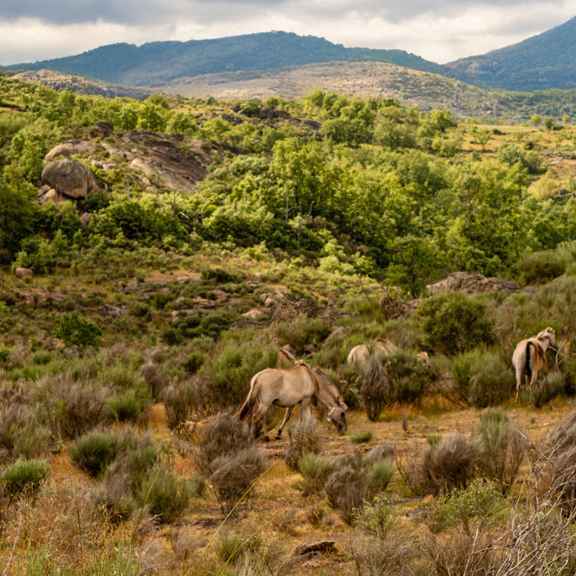
Nature credits are a way for companies and institutions to invest directly in measurable ecosystem restoration. Each credit represents independently verified improvements in ecosystem health. For example, restored wetlands, increased biodiversity or recovering habitats.
Unlike carbon offsets, nature credits focus first on ecological outcomes. A company buying a Wilderway credit is supporting the recovery of a real place, with benefits that can be seen, measured and shared with local communities.
Credits beyond CO₂
For Wilderway, biodiversity comes first. Carbon storage is important, but the primary aim is richer, healthier ecosystems. That means more species, better habitat connectivity and functioning natural processes such as hydrology and soil regeneration. This approach creates tangible outcomes that can be monitored and verified: reedbeds that shelter frogs, grasslands alive with insects, and mixed woodlands where owls hunt. Turning these improvements into credits channels private capital into restoring nature at scale without losing sight of ecological integrity.
Wilderway also embraces emerging forms of nature credits, beyond carbon. The EU and other bodies are exploring how to define and certify biodiversity and ecosystem-service credits. Wilderway is positioning itself at the forefront of these developments, ensuring its projects meet high standards for ecological and climate outcomes.
Science, monitoring and local trust
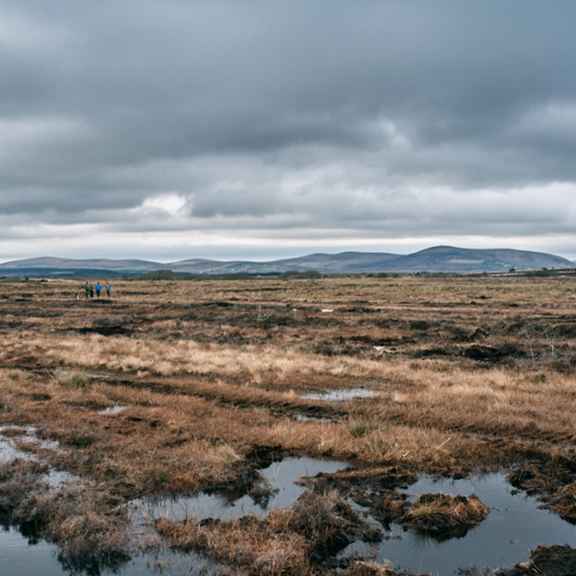
Wilderway approaches restoration with a level of integrity that stands out in a market often criticised for inflated claims. Every project is grounded in rigorous ecological monitoring and independent verification. This includes on-the-ground surveys, camera traps and acoustic “soundscape” recordings to measure changes in species presence, habitat health and ecosystem function.
Several projects are developed with Rewilding Europe, a leading conservation organisation that identifies high-potential sites and provides deep ecological expertise. Rewilding Europe incubated Wilderway to make nature restoration financially viable. Wilderway structures the financing and credit development, creating a bridge between world-class conservation and high-integrity investment.
Why Wilderland is seen as a pioneer
An example comes from a mountainous region of Spain, where Wilderway and a small municipality agreed to halt logging in an ancient forest for 30 years. The project is expected to generate around 12,000 tonnes of certified carbon credits. Part of the revenue is shared with the village, replacing timber income and giving residents a tangible incentive to restore the forest.
The result is that the forest regenerates and wildlife returns, the local community earns stable income for stewarding nature, and buyers can trust they are supporting high-integrity restoration. This blend of scientific rigour, trusted partnerships and local economic benefit is why Wilderway is increasingly recognised as a pioneer in the emerging European nature-credit landscape.
Scaling nature restoration
The world is finally recognising that tackling climate change and biodiversity loss requires major investment in nature. Europe alone faces a €65 billion annual biodiversity funding gap. High-integrity nature credits can help close that gap by directing capital to where it is most needed. Wilderway’s model gives rural communities a new revenue path for healing their land rather than degrading it. Companies gain credible, independently verified outcomes to meet their net-zero and nature goals.
Investing in the Wild(erway)
Triodos Regenerative Money Centre invested in Wilderway’s funding round through Triodos Sustainable Finance Foundation, alongside Rebalance Earth and Stichting DOEN. This investment supports Wilderway’s market-building mission and aligns with Triodos’ belief that innovative finance is essential for a regenerative economy. One where economic value is tied to ecological health.
Triodos Bank has set ambitious targets, including net-zero financed emissions by 2035 and €500 million invested in Nature-based Solutions by 2030. Wilderway fits perfectly within that vision. Supporting Wilderway helps build the infrastructure for credible, high-integrity nature credits. A market that can shift how Europe values and restores its ecosystems.
A wilder tomorrow
Wilderway is expanding its pipeline, scouting new sites in Ireland and Portugal, and collaborating with NGOs and local governments across Europe. By de-risking early projects and showcasing success, Wilderway and its partners hope to set industry standards and demonstrate that rewilding can be a core component of Europe’s green economy.
Over time, this work could unlock mainstream investment into ecosystem restoration, bringing back the forests, wetlands and wildlife that define Europe’s landscapes. Wilderway shows that when nature is valued, scientifically, financially and emotionally, wild places can return, and thrive.